-
 Census 2021 Data
 -
 Homes & Property
 -
 Law and Order
 -
 Jobs & Economy
 -
 Learning & Schools
 -
 Essential Services
 -
 Travel & Transport
 -
 Local Amenities
 -
 Leisure & Recreation
 -
 Environment
Yield
Park View Terrace, Okehampton, West Devon, Devon
EX20 1EL West Devon District
This section gives the estimated property yield for the postcode based on our own unique algorithms, comparing it to the national average. We analyse gigabytes of data to explore why yields might be higher, lower, or in line with expectations. From local market trends to demand and property types, the data paints a clear picture of investment potential in EX20 1EL.
Estimated yield for property investors
2.6%
Yield
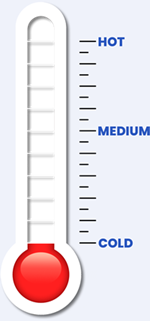
The estimated yield for the EX20 1EL postcode area is 2.6%, which is lower than the national average yield of 3.8%.
Summary
Low yields combined with moderate safety levels in EX20 1EL suggest that this area may not be the best choice for property investors looking for strong returns. It may be worth exploring other areas with higher yield potential.
Property yields in EX20 1EL are lower than average, which might reflect a more mature or stable market where opportunities for high returns are limited.
The combination of lower yields and moderate safety might indicate that the area is less desirable for high-return investments, though it could still appeal to those seeking stable, long-term growth.
The less urban nature of EX20 1EL suggests a more suburban or rural setting, which could mean lower rental demand but potentially higher property values if the area is considered desirable for homebuyers.
The high ownership rate in this less urban area could indicate a strong preference for long-term residency, which might limit rental opportunities but could ensure more stable property values.
Factors affecting yield in EX20 1EL
Understanding property yield involves considering various factors like affordability, income, and crime rates. These elements influence rental demand, property values, and ultimately, the return on investment.
Property Yield (%)
Yield is the annual rental income as a proportion of the property's value. It's a key indicator of profitability, with higher yields often reflecting stronger rental markets and demand.
Property Affordability
Property affordability in EX20 1EL compares the cost of housing with average earnings. Lower affordability can lead to increased rents, potentially raising yields, but it might also dampen buyer enthusiasm, which could affect property values over time.
Rental Affordability
This assesses the portion of income households allocate to rent. Excessive rent costs in EX20 1EL may suppress tenant demand and decrease yield, while affordable rents are more likely to secure long-term tenants, stabilising yield over time.
Household Income
In areas with higher household incomes, the potential for higher rents can lead to improved yields. However, the high property prices in affluent areas might lower the yield percentage, even with substantial rental income.
Urban Location
Urban areas usually offer higher yields due to rental demand, especially in cities with a youthful, mobile population. Yet, the elevated property prices in these areas can reduce the yield percentage, even with strong rental income.
Employment Score
High employment is often a sign of economic trouble, which can lower rental demand and increase vacancy rates, reducing yield. Low unemployment generally suggests a stable economy, encouraging higher rental demand and improving yields.
Outright Ownership
High levels of outright home ownership often indicate a settled community with reduced rental demand, which could lower yields. In contrast, areas with fewer outright owners may see higher rental demand, potentially boosting yields.
Crime & Safety Levels
High crime rates often lead to a decrease in renter interest and property values, resulting in lower yields. On the other hand, low crime rates make areas more appealing, which can enhance rental income, property values, and yields.
Best Performing Yields
The following postcodes within the EX20 location current have the highest performing yields:
Methodology
Our property yield estimates are derived from a custom algorithm built by PostcodeArea that combines data from the Census 2021 and other reliable third-party sources.
This algorithm evaluates several key factors - including affordability, rental affordability, household income, urbanisation, unemployment rates, property ownership levels, and safety. We do this by assigning weighted scores to each factor. These factors are chosen for their relevance to property investment, with the yield percentage itself carrying the most weight due to its direct impact on potential returns.
The algorithm also incorporates conditional logic to assess how different combinations of these factors might influence property yield. For example, a neighbourhood with high rental affordability and strong income levels might indicate robust rental demand, leading to higher yields.
Conversely, areas with high unemployment and low income could see reduced rental demand, potentially lowering yields.
By considering these interactions, the algorithm provides a more nuanced estimate than simple averages or single-factor analyses.
It's important to note that these yield figures are general estimates intended as a guide rather than precise calculations. While the algorithm offers valuable insights based on historical and statistical data, it may not fully capture the unique aspects of each neighbourhood or current market conditions.
Investors should use this information as a starting point for further analysis and consider it alongside other factors such as market trends and personal financial goals.


